Bulky furniture disposal in Pimlico: council rules explained
Posted on 06/05/2026
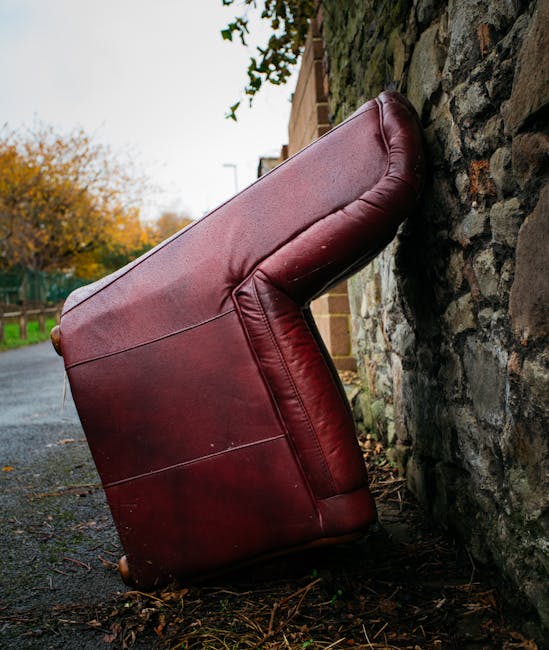
Getting rid of a sofa, wardrobe, mattress, or table sounds simple until you realise the bin store is full, the lift is tiny, and the item is far too large for a normal collection. In Pimlico, bulky furniture disposal has a few practical rules and a few local realities, and if you ignore either one, the whole job can become more stressful than it needs to be. Truth be told, most people just want the thing gone without creating hassle for neighbours, the pavement, or themselves.
This guide explains Bulky furniture disposal in Pimlico: council rules explained in plain English. You'll learn how bulky waste is usually handled, what to check before you leave anything outside, where people go wrong, and when a professional furniture removals service can save you time and backache. We'll keep it grounded, local, and useful.
- Why bulky furniture disposal rules matter
- How bulky furniture disposal works in Pimlico
- Key benefits and practical advantages
- Who this is for and when it makes sense
- Step-by-step guidance
- Expert tips for better results
- Common mistakes to avoid
- Tools, resources and recommendations
- Law, compliance, standards and best practice
- Options and comparison table
- Case study or real-world example
- Practical checklist
- Conclusion
- Frequently asked questions
Why Bulky furniture disposal in Pimlico: council rules explained Matters
Bulky furniture is one of those things that looks harmless until it's in the hallway. Then suddenly it blocks the route to the front door, smells faintly of old dust and fabric, and feels twice as heavy as it did in the living room. In a place like Pimlico, where flats, terraces, converted buildings, and tight access are common, disposal has to be handled with a bit of care.
The council side matters because leaving large items in the wrong place can create obstruction, complaints, and sometimes enforcement issues. The practical side matters because furniture is awkward to move, especially through narrow stairwells, shared entrances, or streets where parking is already a headache. If you are moving home, replacing old pieces, or clearing a flat after a tenancy, the wrong disposal approach can cost you time and effort for no good reason.
There's also the neighbour factor. A sofa dumped by the bins on a wet Tuesday morning is rarely a popular sight. To be fair, most local disputes over bulky waste are not about the item itself, but about how and when it was left out. A small bit of planning prevents a lot of annoyance.
If you are planning broader move-related work as well, it can help to look at furniture removals in Pimlico or even broader removal services in Pimlico, especially if disposal is only one part of the job.
How Bulky furniture disposal in Pimlico: council rules explained Works
In practice, bulky furniture disposal usually falls into one of three routes: a council collection, a private removal or clearance service, or a reuse/recycle route if the item is still usable. The exact process depends on the item, its condition, and whether you can physically move it out safely.
Most councils in London expect bulky items to be presented in a way that does not block pavements, entrances, or shared access spaces. That sounds obvious, but you'd be surprised how often a chest of drawers is left halfway across a path because "it'll only be there for a bit". The problem is that "a bit" can become a day, then a complaint.
As a rule of thumb, you should confirm:
- whether the item is accepted as bulky waste
- how collections are arranged and paid for
- where the item must be placed for collection
- what counts as unsafe or prohibited presentation
- whether dismantling is required before removal
Furniture with loose glass, sharp edges, infestation, mould, or wet upholstery may need extra care. Likewise, items with electronics built in, such as recliners or massage chairs, may not be treated as simple furniture. That's where a more experienced team can help, because it's not just about lifting. It's about handling the item properly and disposing of it responsibly.
For many households, a same-day or next-day arrangement is the easiest route, and a local option like same-day removals in Pimlico can be a sensible backup when deadlines are tight.
Key Benefits and Practical Advantages
When bulky furniture is handled properly, the benefits are immediate. The space feels lighter. Hallways become usable again. You stop having to sidestep a bed frame every time you go to the kitchen. Small thing, big relief.
Here are the main advantages of following a proper disposal route rather than improvising:
- Less risk of fines or complaints from improper placement or fly-tipping concerns
- Safer handling of heavy items through stairs, lifts, and tight corridors
- Better recycling outcomes when furniture can be reused or broken down responsibly
- Less disruption for neighbours and building managers
- More predictable timing for moves, end-of-tenancy clearances, or refurbishments
There is also a mental benefit people often forget. Clearing oversized furniture can make a property feel finished. If you are preparing a sale or renting a place back out, a tidy empty room makes decision-making easier. You notice light, floor space, and layout again. Funny how a bulky sofa can dominate a room without even trying.
If you want the waste side handled with sustainability in mind, it's worth exploring recycling and sustainability practices. That can be especially helpful if you are trying to reduce landfill where reuse is still possible.
Who This Is For and When It Makes Sense
This matters for more people than you might think. Bulky furniture disposal is not just for people moving out. It shows up in ordinary life all the time.
You may need it if you are:
- moving from a flat and need old furniture cleared before handover
- replacing a sofa, wardrobe, mattress, or dining set
- clearing a room after a tenant leaves
- dealing with inherited items in a property
- making space during a renovation
- trying to reduce clutter in a small Pimlico home
It also makes sense if access is awkward. Pimlico homes often have compact staircases, controlled parking, or shared entrances. If you are staring at a three-seat sofa and a narrow landing, you may already know the answer. This is not a one-person lift-and-shift job for most households.
Students, landlords, and homeowners each face different pressures. A student might need a quick, low-friction solution before a tenancy ends. A landlord may want the property cleared promptly between lets. A homeowner might simply want the old wardrobe gone before a new one arrives. Different problem, same basic issue: make it move safely and legally.
For property changes and local move planning, you may also find the area guides useful, such as the Pimlico buying guide or local opinions on living in Pimlico.
Step-by-Step Guidance
If you want to avoid stress, follow a simple sequence. Nothing fancy. Just a sensible order that saves time and reduces mistakes.
- Identify the furniture type. Is it a sofa, bed base, wardrobe, desk, cabinet, mattress, or mixed item with fittings attached?
- Check its condition. Can it be reused, or is it damaged beyond practical reuse?
- Measure access. Doorways, stair turns, lifts, basement steps, and street access all matter.
- Decide the disposal route. Council collection, donation, private removal, or recycling.
- Prepare the item. Remove drawers, detachable legs, cushions, and loose fittings where safe.
- Protect the route. If you're moving it yourself, clear floors and check for pinch points.
- Book in advance if needed. Last-minute arrangements are possible, but they are rarely the calm option.
- Place it correctly for collection. Keep it where instructed and do not block common areas.
A good rule: if you wouldn't want to carry it down the stairs in socks on a rainy day, don't assume the disposal route is simple. That little thought test saves people more trouble than you'd expect.
When the job is part of a wider relocation, a local man and van in Pimlico or house removals service can help combine transport and clearance in one visit.
Expert Tips for Better Results
A few small decisions make bulky furniture disposal much easier. In our experience, people often overcomplicate the job by leaving it until the last minute. That's when costs rise, access gets messy, and the item ends up parked in the only hallway you actually need.
Tip 1: dismantle where it genuinely helps. Not every item should be taken apart, but beds, shelving, and large wardrobes often become far easier to handle when broken into safe components.
Tip 2: keep fixings together. Put screws, brackets, and bolts in a labelled bag. It sounds minor, but it stops that annoying "where did the bit for the bed go?" moment later on.
Tip 3: think about building access. If you live in a managed block, let the building team know. A lift booking or loading bay arrangement can save a lot of awkward carrying.
Tip 4: check for donation or reuse first. If the furniture is clean and usable, there may be a better destination than disposal. A little extra effort there can feel decent, honestly.
Tip 5: use local support when time is tight. A service with experience in London access issues will usually know how to deal with stairs, parking, and narrow streets without drama.
Expert summary: the best bulky furniture disposal is usually the one that is planned, safe, and matched to the item's condition. The item's weight matters, yes, but access and timing usually matter more.
Common Mistakes to Avoid
Most bulky waste problems are avoidable. The same mistakes show up again and again, and they are rarely clever mistakes. Usually it's just rushing.
- Leaving furniture in communal areas too early. This can block access and annoy neighbours.
- Assuming everything counts as normal rubbish. Large furniture needs a proper route.
- Underestimating the weight. A small wardrobe can still be awkward enough to injure a back or damage walls.
- Not checking collection rules. Placement, timing, and item acceptance all matter.
- Forgetting about parking and access. In Pimlico, that can derail the whole plan.
- Using informal disposal help without checking credentials. If waste is removed irresponsibly, it can come back to haunt the original owner.
One very human mistake is assuming "someone else will sort it once it's outside." Maybe, sometimes. But it's a risky assumption. Better to be clear, especially with shared buildings where responsibility can become fuzzy fast.
Tools, Resources and Recommendations
You do not need specialist kit for every job, but a few basic tools can make life easier. If you are handling smaller pieces yourself, these are often useful:
- moving blankets or old duvets for protecting floors and paintwork
- strong tape and bags for screws and fittings
- measuring tape for doorways and stair turns
- work gloves with a decent grip
- blank labels or marker pens for separating parts
- furniture sliders for moving lighter pieces safely
If the furniture is part of a bigger move, packing materials matter too. It is often worth checking packing and boxes in Pimlico or the full services overview so you can line up removal, packing, and disposal without making three separate arrangements.
For larger or unusually awkward items, it may be better to use a team that already works with heavy lifting and access planning. That could include removals in Pimlico or a specialist option like piano removals in Pimlico if the item is oversized or particularly delicate. Not every bulky item is a piano, obviously, but the same careful handling mindset applies.
Law, Compliance, Standards, or Best Practice
This is the part people tend to skip, and then regret later. The legal and compliance side of bulky furniture disposal is not there to make life harder. It exists to prevent fly-tipping, unsafe obstructions, and sloppy waste handling.
In practical terms, you should follow the instructions of the relevant local authority or collection service for any item placed for disposal. That includes timing, location, and presentation. If a collection says the furniture must be placed at a specific point, don't improvise and leave it in a doorway instead. That sort of shortcut can create access problems and complaints very quickly.
Best practice in the UK usually means:
- keeping items off public walkways unless collection instructions clearly allow otherwise
- making sure the disposal route is safe for residents, staff, and passers-by
- using a responsible carrier or removal service for mixed or heavy loads
- separating reusable items from genuine waste where possible
- avoiding any arrangement that could result in illegal dumping
If a service is handling the removal, it should also operate with sensible safety and business standards. That's why company pages such as health and safety policy, insurance and safety, and terms and conditions can be useful reading before you book. Not glamorous, granted, but useful.
If you are comparing providers, it also helps to understand how they handle fees and booking expectations through pricing and quotes and how payments are managed via payment and security.
Options, Methods, or Comparison Table
There isn't one perfect way to get rid of bulky furniture in Pimlico. The right method depends on urgency, item condition, access, and how much lifting you want to do yourself. Here's a straightforward comparison.
| Method | Best for | Pros | Watch-outs |
|---|---|---|---|
| Council bulky waste collection | Single items or planned clear-outs | Convenient, often straightforward, official route | May require advance booking; placement rules must be followed |
| Private furniture removal | Large, awkward, urgent, or multiple items | Flexible timing, help with lifting, better for access issues | Costs vary; choose a reputable provider |
| Reuse or donation | Good-condition furniture | More sustainable, may help someone else, reduces waste | Not suitable for damaged, stained, or unsafe items |
| Self-move to a recycling point | People with a suitable vehicle and lifting help | Can be efficient if you already have transport | Labour-heavy, parking and loading can be awkward |
For most Pimlico households, the decision comes down to this: do you want the cheapest possible route, or the least stressful one? They are not always the same thing. And that's fine.
Case Study or Real-World Example
Picture a typical Pimlico flat: two bedrooms, a narrow hallway, and a heavy three-seat sofa that has seen better days. The residents are moving out on a Friday, keys hand back on Monday, and the sofa won't fit through the stair turn without removing the feet and one side panel. Classic.
They first check whether the sofa is worth reusing. It isn't. The upholstery is worn, the springs are tired, and the smell of years of everyday use has well and truly settled in. So they move to disposal planning. A quick measurement confirms that the lift is too small for the sofa anyway, which means a stair carry is unavoidable.
At that point, the sensible choice is to use a local removal team rather than trying to muscle it out with two tired people and one slightly too small trolley. The team comes with the right vehicle, takes the sofa out safely, and handles the route without scuffing the walls. The residents deal with enough moving-day stress already; they do not need a wrestling match with a sofa on top of it.
That same logic applies to many real situations. A wardrobe that seems "just about manageable" often becomes awkward the moment you reach the final landing. Planning ahead is what makes the difference between a smooth clearance and a noisy one.
If your disposal is part of a move around local landmarks or estates, these guides can help with access and planning: Churchill Gardens removals and Pimlico Station access tips.
Practical Checklist
Before you book anything or lift anything, run through this checklist. It keeps the job tidy and avoids the usual panic near the front door.
- Have I identified exactly which furniture items need disposal?
- Is the item reusable, recyclable, or true waste?
- Do I know the access route, including lifts, stairs, and doors?
- Have I checked whether the item needs dismantling?
- Do I understand where the item can be placed for collection?
- Have I protected floors, walls, and shared areas?
- Is parking or loading access likely to be a problem?
- Do I need help with heavy lifting or a larger vehicle?
- Have I allowed enough time before move-out or refurbishment day?
- Do I know who is responsible if the item is left in a communal area?
Quick takeaway: the calmer your prep, the easier the disposal. It really is that simple, even if the sofa tries to pretend otherwise.
Conclusion
Bulky furniture disposal in Pimlico is manageable once you understand the council rules, the access issues, and the practical choice between collection, reuse, and private removal. The main thing is not to leave it to guesswork. One overlooked step can mean blocked hallways, annoyed neighbours, or a stressful last-minute scramble.
Whether you are clearing a single item or sorting a full room, the safest route is the one that suits your property, your timing, and the condition of the furniture. In a compact area like Pimlico, a little planning goes a long way. A very long way, actually.
If you'd like help with a broader move or a one-off clearance, you can explore the relevant services, read more local updates on the blog, or make an enquiry through contact us. It's often easier than trying to improvise with a heavy wardrobe and a dodgy parking space.
Get a free quote today and see how much you can save.

Kelly, with a wealth of experience as a removals manager, excels in assisting thousands of customers with their removals. Her innate organizational flair and meticulous attention to detail make her a highly sought-after consultant in the field.


